
Habit Stacking Examples: Ready-to-Copy Scripts That Work

Habit stacking means attaching a new tiny behavior to an existing habit you already do without thinking. The formula is simple: After [CURRENT HABIT], I will [NEW HABIT]. You write it once, place it somewhere you’ll see it, and let your existing routine do the reminding.
Two you can copy right now:
- After I pour my morning coffee, I will drink one glass of water.
- After I sit down at my desk, I will write tomorrow’s top priority on a sticky note.
That’s it. No motivation required, no new alarm to set. The existing habit (pouring coffee, sitting at your desk) is the trigger. The new habit rides along for free.
Key Takeaways
Habit stacking works because it replaces willpower with a concrete cue, and it holds up over time only when the anchor is specific, the new behavior is tiny, and the stack gets tracked for a real 30-day trial.
| Point | Details |
|---|---|
| Use the exact formula | Write “After [current habit], I will [new habit]” and post it somewhere visible. |
| Pick concrete anchors | A physical action like “after I turn off my alarm” beats a vague one like “when I wake up.” |
| Keep the new behavior tiny | Aim for actions under 30 seconds so skipping feels harder than doing them. |
| Plan for disruption | Write an if-then backup plan before a broken routine breaks your streak. |
| Track for 30 days | Test one stack at a time before adding another link to the chain. |
Table of Contents
- How Habit Stacking Actually Works in Your Brain
- Habit Stacking Ideas by Time of Day and Goal
- How to Habit Stack: A Five-Step Worksheet
- Why Most Habit Stacks Fail (and How to Fix Them)
- Proof Points: How Life is a Game Supports Habit Stacking
- Habit Stacks for Different Lifestyles
- Fitting Habit Stacks Into a Routine You Already Have
- Scaling Your Habit Stacks Over Time
- What the Research Actually Tells You to Prioritize
- Sources
How Habit Stacking Actually Works in Your Brain
Habit stacking isn’t a productivity trick someone invented for a blog post. It’s a practical version of what psychologists call an implementation intention, an if-then plan that links a specific situation to a specific response. Research compiled on implementation intentions and goal achievement shows that people who form these concrete plans follow through on intended behaviors far more consistently than people who rely on general intentions like “I’ll drink more water.”
The mechanism comes down to two things: cues and automaticity. Your brain is already wired to fire a sequence of actions the moment it recognizes a familiar cue, which is why you can drive a known route while thinking about something else entirely. Studies on environmental cues and behavior show that consistent cues reduce the mental negotiation that normally happens before a new behavior. You stop deciding whether to do the thing. The old habit just triggers the new one.
That’s the whole appeal. Decision fatigue kills more new habits than laziness ever does. Every time you have to decide whether now is a good moment to meditate or stretch or floss, you spend willpower you’ll need later in the day. A habit stack removes that decision entirely, because the cue already picked the moment for you.
Give a single stack enough time before judging it. That’s long enough to see whether the cue reliably triggers the behavior and short enough that you’re not tracking five variables at once. The Cleveland Clinic’s overview of habit stacking recommends starting with one stack, not five, for exactly this reason.
Habit Stacking Ideas by Time of Day and Goal
Below are grouped, copy-ready scripts. Adapt the wording, keep the structure. Each includes a quick reason it works and a “worst-day shrink,” meaning the smallest version you can fall back on when you’re exhausted, sick, or just not feeling it. The goal for every new behavior here is under 30 seconds. Small enough that skipping it feels weirder than doing it.
Morning stacks
- After I turn off my alarm, I will put both feet on the floor before touching my phone. Rationale: removes the scroll trap before it starts. Worst-day shrink: feet on floor, that’s the whole habit.
- After I brush my teeth, I will do 10 squats. Rationale: pairs a strength habit with a hygiene habit you never skip. Shrink: 3 squats.
- After I pour my morning coffee, I will drink one glass of water first. Rationale: hydration before caffeine, low friction. Shrink: three sips.
- After I open the blinds, I will take three deep breaths. Rationale: light exposure plus a physiological reset. Shrink: one breath.
- After I make my bed, I will lay out tomorrow’s clothes. Rationale: reduces morning decision load the next day. Shrink: just pick the shirt.
- After I feed the dog or cat, I will write one line in a journal. Rationale: attaches reflection to a habit that never gets skipped. Shrink: one word.
- After I check the weather app, I will check my calendar for the day’s first commitment. Rationale: prevents the “what’s on today” scramble. Shrink: glance at the first event only.
- After I step out of the shower, I will apply sunscreen. Rationale: skin protection tied to an already-bare-skin moment. Shrink: face only.
Work and focus stacks
- After I sit down at my desk, I will write my top three priorities for the day. Shrink: write just one.
- After I open my laptop, I will silence notifications for the next hour. Shrink: silence just Slack.
- After I finish a meeting, I will write one action item before switching tabs. Shrink: jot a single word.
- After I close my email inbox, I will stand up and stretch for 15 seconds. Shrink: stand up only.
- After I start my lunch break, I will step outside for one minute. Shrink: open the door and look out.
- After I finish my last task of the day, I will write tomorrow’s first task. Shrink: name the project, not the task.
Evening and sleep stacks
- After I plug in my phone charger, I will place my phone in another room. Rationale: sleep hygiene guidance from the American Heart Association’s habit stacking recommendations supports separating screens from the bed. Shrink: face-down on the nightstand.
- After I brush my teeth at night, I will lay out tomorrow’s water bottle. Shrink: just fill it.
- After I turn off the kitchen lights, I will read one page of a book. Shrink: read one paragraph.
- After I get into bed, I will name one thing that went well today. Shrink: think it, don’t say it aloud.
- After I set tomorrow’s alarm, I will do one minute of stretching. Shrink: touch your toes once.
Fitness stacks
- After I finish breakfast, I will put on my workout shoes. Shrink: just put them by the door.
- After I park my car at home, I will walk one extra loop around the block. Shrink: walk to the mailbox.
- After I watch one episode of a show, I will do 20 pushups before the next one. Shrink: 5 pushups.
- After I finish a work call, I will stand and do 10 calf raises. Shrink: stand up.
Mindfulness stacks
- After I sit down for lunch, I will name one thing I’m grateful for. Coverage from the Greater Good Science Center on gratitude links this kind of brief practice to measurable mood benefits. Shrink: think it silently.
- After I wait for coffee to brew, I will close my eyes and breathe for 20 seconds. Shrink: one breath.
- After I sit down on the train or in the car, I will do a body scan for tension. Shrink: unclench your jaw.
Reading and learning stacks
- After I sit down for dinner, I will listen to five minutes of a podcast. Shrink: play it, even if you only half listen.
- After I finish my morning coffee, I will read one page of a nonfiction book. Shrink: read one paragraph.
- After I close my laptop for the night, I will review one flashcard. Shrink: glance at the front of the card.
Parenting stacks
- After I buckle my kid into the car seat, I will ask one open-ended question about their day. Shrink: ask a yes/no version.
- After I finish reading a bedtime story, I will say one specific thing I noticed them do well that day. Shrink: a simple “I’m proud of you.”
- After I pack school lunches, I will write one encouraging note on a napkin. Shrink: draw a smiley face instead.
Pro Tip: Pick anchors that involve a strong physical sensation, like pouring liquid or flipping a light switch. A vague cue like “when I wake up” is too soft to reliably trigger anything. A concrete one like “after I turn off my alarm” gives your brain something unmistakable to grab onto.
If a morning stack involves hydration, a low-friction guide to healthy drink prep can make the water-glass habit even easier to sustain by removing the “which glass, which water” decision entirely.
How to Habit Stack: A Five-Step Worksheet
Use this to build your own stack instead of borrowing one. Work through the steps in order. Each one has a fill-in prompt.
- Pick a rock-solid anchor. Fill in: “A physical action I do every single day without fail is ______.” Skip anything time-based (“after lunch”) in favor of something concrete (“after I close the fridge door”).
- Choose one tiny behavior. Fill in: “The new behavior I want takes under ______ seconds and requires ______ (no equipment, no separate room, no prep).”
- Script the exact sentence. Fill in: “After I ______, I will ______.” Write it exactly, not as a loose idea.
- Place a physical cue. Fill in: “I will see a reminder of this stack at ______ (sticky note on the mirror, phone lock screen, water bottle on the counter).”
- Plan for the barrier. Fill in: “If ______ happens (I’m traveling, I oversleep, the routine breaks), then I will ______ instead.” This kind of contingency planning is what research on behavior-change resilience points to as a key reason some plans survive disruption and others don’t.
Here’s a completed example using the worksheet:
| Step | Filled-in example |
|---|---|
| Anchor | After I close my laptop at the end of the workday |
| Tiny behavior | Write one sentence about tomorrow’s first task |
| Scripted stack | After I close my laptop, I will write tomorrow’s first task on a notepad |
| Physical cue | Notepad sits on top of the closed laptop, impossible to miss |
| Barrier plan | If I’m not at my desk, I will text myself the task instead |
For tracking, keep it minimal. A paper calendar with an X for each day works. So does a habit-tracking app built around gamified streaks, like Habit Forge. If you want a lighter option, the three-task structure in Signal not Noise can double as a daily check-in: make your habit stack one of the three tasks you’re tracking that day.
Why Most Habit Stacks Fail (and How to Fix Them)
Most broken stacks trace back to three mistakes:
- The anchor is too vague. “After I wake up” isn’t a moment, it’s a fuzzy window. Swap it for something concrete like “after I silence my alarm.”
- The stack is too big. Trying to add meditation, journaling, and stretching onto one anchor guarantees you’ll skip all three on a bad day. Pick one.
- There’s no tracking, so slips go unnoticed. Without any record, a missed day quietly becomes a missed week.
When a stack breaks, don’t scrap it. Halve the behavior (10 pushups become 3), move the anchor closer to where the new habit happens, or convert it into a two-step micro-stack where a tiny prep action comes first. If a stack still isn’t sticking after a genuine 30-day test with a corrected anchor, retire it and try a different pairing instead of forcing a mismatch.
Pro Tip: A broken streak isn’t a failure, it’s data. The question isn’t “why did I fail” but “was the anchor concrete enough, and was the behavior small enough?” Fix one variable at a time.
Proof Points: How Life is a Game Supports Habit Stacking
Habit stacking works better with structure that makes the cue and the win visible, which is exactly what gamification is built for. Habit Forge turns each tiny behavior into a trackable streak with small, visible rewards, the digital version of the sticky note and the X on the calendar. Signal not Noise limits your daily focus to three tasks, a natural home for a new stack while it’s still fragile. And for anxiety-driven barriers that block a stack from forming in the first place, Conquer Fear applies structured exposure techniques to the avoidance patterns that keep people from starting.
| App | What it supports |
|---|---|
| Habit Forge | Streak tracking and gamified rewards for tiny behaviors |
| Signal not Noise | Daily three-task structure to protect a new stack |
| Conquer Fear | Exposure-based support for anxiety that blocks new routines |
Habit Stacks for Different Lifestyles
A stack that works for a remote worker with an open calendar will collapse for a parent whose schedule gets hijacked by a toddler. Match the stack to your actual constraints, not an idealized version of your day.
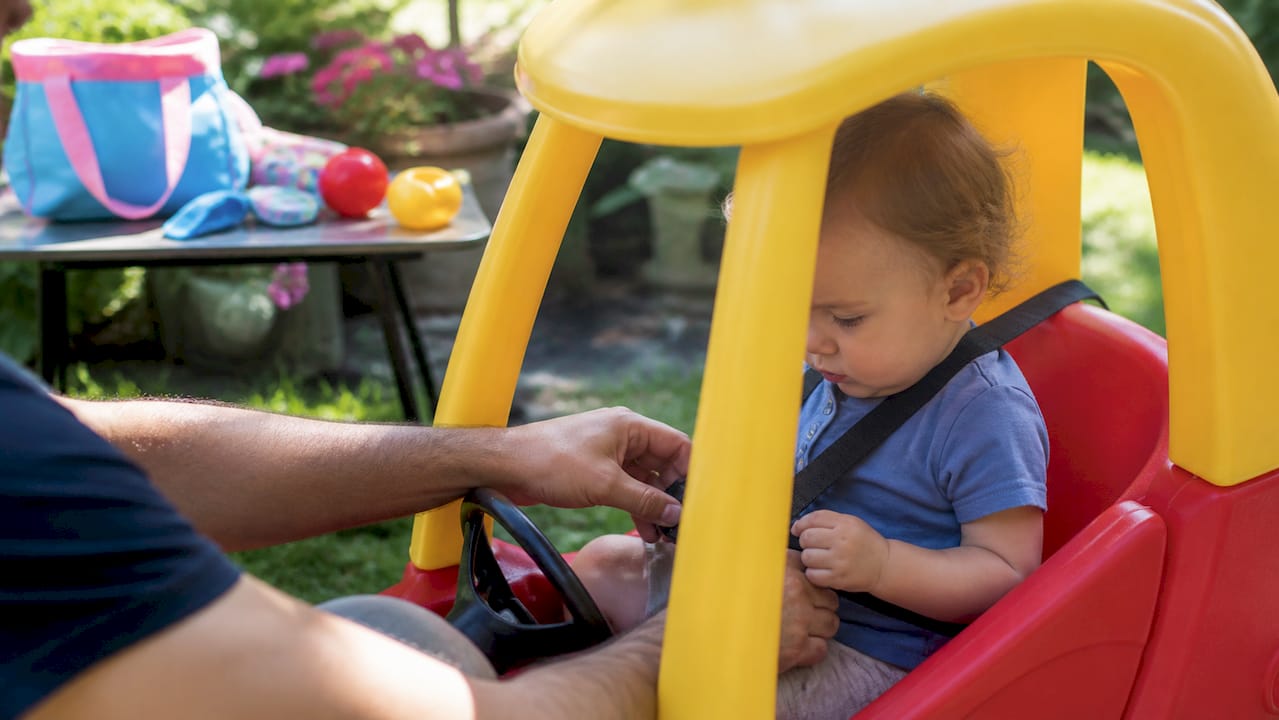
Busy parents need anchors tied to caregiving tasks that never get skipped, not personal routines that get bumped first. “After I buckle the car seat” or “after I pack the lunch bag” survives chaos better than “after my morning workout,” because the anchor itself is non-negotiable.
Introverts often do better stacking quiet, low-stimulation behaviors onto solitary moments rather than trying to layer social habits (like calling a friend) onto busy transitions. After closing a laptop at the end of a focused block, a breathing exercise or a single journal line fits the existing quiet rather than fighting it.
Remote workers face a specific problem: the anchors that used to exist (commute, walking into an office) disappeared. Rebuild anchors around what replaced them. “After I close my laptop for lunch” or “after my first video call ends” can stand in for the old commute cues.
Shift workers need anchors independent of clock time entirely. “After I clock out” or “after I take off my uniform” works regardless of whether that happens at 7 a.m. or 11 p.m.
The pattern across all of these: pick the anchor that actually happens in your life, not the one that happens in someone else’s ideal schedule.
Fitting Habit Stacks Into a Routine You Already Have
The biggest integration mistake is treating a habit stack like a new appointment instead of a modification to something that already exists. You’re not adding a block to your calendar. You’re inserting one sentence into a sequence your body already runs on autopilot.
Start by mapping your day honestly: what do you do first, always, without fail? Coffee, teeth brushing, the commute, the school pickup. These are your available anchors. Resist the urge to attach a new habit to something you only do sometimes (“after my workout,” when you only work out three days a week). That inconsistency is what causes the stack to misfire.

Introduce one stack at a time. Adding three new stacks in the same week means three new cues competing for your attention, and the whole system feels effortful again, defeating the purpose. Let the first stack run for a couple of weeks until it feels automatic, then layer the next one onto a different anchor.
Keep the new behavior physically close to the anchor. If the stack is “after I pour coffee, I drink water,” the water glass needs to already be sitting by the coffee maker. If you have to walk to another room to complete the new habit, you’ve reintroduced the friction the anchor was supposed to eliminate.
Scaling Your Habit Stacks Over Time
Once one stack runs for 30 days without you thinking about it, you can start chaining. A chain looks like: after I pour coffee, I drink water, then I write one journal line, then I check my calendar. Each link uses the previous action as its own anchor, so the chain grows without needing new external cues.
Scale slowly. Add one new link only after the previous one feels automatic, not effortful. If you add a fourth link and suddenly the whole chain feels heavy, that’s a signal you scaled too fast, and the fix is to drop back to three links until it settles again.
Some people scale sideways instead of deep: rather than lengthening one morning chain, they build separate two or three-link stacks around different daily anchors (morning coffee, lunch, end of workday). This spreads new behaviors across the day instead of stacking all your growth into a single sequence that can collapse if one link breaks.
Either way, the same 30-day test applies to every new link you add. Track it long enough to know whether it’s holding before you build on top of it.
What the Research Actually Tells You to Prioritize
Most habit-stacking advice online buries the one variable that decides whether a stack survives: anchor specificity.
The conventional advice to “just add a new habit to something you already do” undersells how much the quality of that existing habit matters. A habit stack anchored to something you do inconsistently, like a Tuesday gym session, was never going to work regardless of how tiny the new behavior was.
If you take one thing from this, prioritize the anchor over the ambition. Pick something boring and constant, something with a real physical sensation attached to it, and something small enough that “I forgot” stops being an excuse. Everything else, the tracking apps, the streak counters, the elaborate chains, only matters once that first link actually holds.
Sources
- Implementation intentions and goal achievement (PubMed entry)
- Article on environmental cues and behavior (PMC)
- What Is Habit Stacking? How To Do It — Cleveland Clinic
- PNAS study relevant to behavior-change resilience